 Reviews

 Proudly American

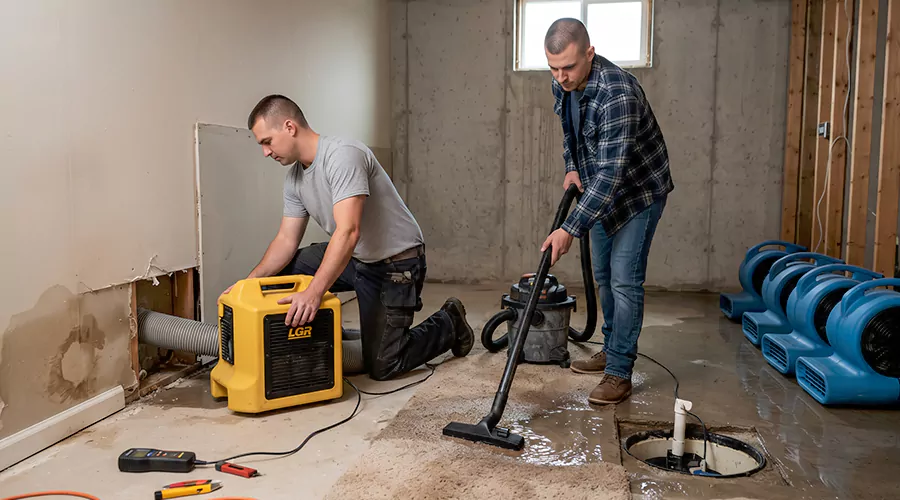
The best way to prevent mold after water damage is to remove standing water and dry wet materials within 24 to 48 hours whenever possible. Mold needs moisture to grow, so fast extraction and humidity control, and proper mold mitigation matter more than spraying a product after the fact.
Water can remain under flooring or behind drywall after the surface looks dry. A complete cleanup must address those hidden areas before repairs begin.
What Should You Do First After Water Damage?
The first priority is to stop new water from entering and remove as much liquid as possible. Drying becomes slower when a leak continues or standing water remains. After the source is controlled, clear wet items away so air can reach affected surfaces.
Use this order:
- Stop the leak when it is safe.
- Remove standing clean water.
- Move wet belongings out of the area.
- Expose damp flooring or wall surfaces.
- Start dehumidification when electricity is safe.
- Track moisture as drying continues.
If floodwater or sewage is involved, avoid normal household cleanup methods because contamination changes what can safely remain.
How Quickly Do Wet Materials Need to Dry?
Wet materials should be dried within 24 to 48 hours when possible. EPA and CDC guidance uses this window because mold is much less likely to grow when damp materials are cleaned and dried quickly. The drying target applies to more than carpet. Check padding and baseboards as well. Drywall can also stay wet behind its painted face.
| Material | What to Check |
|---|---|
| Carpet | Surface and backing |
| Padding | Dampness beneath carpet |
| Drywall | Lower edges and hidden side |
| Wood flooring | Seams and subfloor |
| Cabinets | Lower panels |
| Insulation | Saturation inside cavities |
This is why water mold damage can develop even when the room no longer has visible puddles.
How Should You Use Fans and Dehumidifiers?
Fans move moisture off wet surfaces while dehumidifiers remove that moisture from the air. When electricity is safe to use, the CDC recommends using fans and dehumidifiers to help dry a wet home. Run the dehumidifier according to its instructions and monitor indoor humidity with a hygrometer. The EPA recommends keeping indoor relative humidity below 60 percent when possible, with 30 to 50 percent preferred for routine moisture control. Keep windows closed when outdoor air is very humid. Bringing damp air indoors can slow drying.
Which Wet Materials Should Be Removed?
Materials that cannot be cleaned and dried quickly may need removal because they can hold moisture out of sight. Flood-soaked carpet padding or paper products are common examples. The CDC advises removing items that cannot be fully cleaned and dried within 24 to 48 hours after flooding.
Pay close attention to:
- Saturated carpet padding
- Wet cardboard
- Damaged ceiling tiles
- Soaked insulation
- Swollen fiberboard
- Severely damaged drywall
Cleaning up mold from water damage becomes more difficult once absorbent materials remain wet for several days. Do not close a wall over damp insulation. The cavity should be dry before replacement finishes are installed.
How Can You Tell Whether Hidden Moisture Is Still Present?
Hidden moisture often shows up through odor or physical changes after exposed surfaces appear dry. A moisture meter can provide a better comparison than touch alone. Test the affected material against a similar dry area in the same home.
Watch for these warning signs:
- A musty smell develops.
- Baseboards begin swelling.
- Paint starts bubbling.
- Hardwood edges rise.
- Carpet padding stays damp.
- Drywall feels soft.
- Stains continue spreading.
- Indoor humidity remains high.
- Cabinets swell near the floor.
- Visible mold appears.
Water damage and mold cleanup often becomes larger when these signs are ignored because moisture may already be inside several building layers.
What Can You Safely Check Yourself?
A simple moisture comparison can show whether drying is moving in the right direction. Choose one affected surface and compare it with the same type of material in a dry room. Record readings at the same locations each day.
Use this method:
- Measure the dry reference area.
- Measure the affected area.
- Write down both readings.
- Repeat the test the next day.
- Continue drying while the affected reading falls.
Do not cut into walls just to look for moisture when wiring or plumbing could be concealed behind the surface.
When Should You Call a Professional?
Professional help is appropriate when the water loss is extensive or contaminated. It is also reasonable when visible mold covers more than about 10 square feet. The EPA uses this size as a point where larger cleanup guidance becomes relevant.
Consider help when:
- Sewage entered the property.
- Outdoor floodwater affected finished rooms.
- Several walls remain wet.
- Insulation is saturated.
- Mold covers more than about 10 square feet.
- Moisture readings stop improving.
- The source of hidden moisture is unclear.
Water damage mold remediation may require containment or material removal once growth has developed. Mold damage restoration can also involve rebuilding surfaces after damaged material has been removed.
How Can You Prevent Mold From Returning?
Mold prevention continues after visible water is gone because recurring leaks can restart the problem. Keep the area dry and correct the original source before installing new finishes. Moisture control remains the main long-term way to control indoor mold growth.
Use this maintenance routine:
- Check under sinks every month.
- Inspect appliance hoses several times a year.
- Test sump pumps before storm season.
- Watch ceilings after heavy rain.
- Use leak alarms near water heaters.
- Keep indoor humidity below 60 percent.
- Investigate musty odors promptly.
Mold remediation and restoration should not be followed by repainting until the moisture source has been corrected.
Conclusion
Preventing mold after a leak or flood comes down to fast moisture control. Remove standing water first and start drying within 24 to 48 hours whenever possible. Check hidden materials before assuming the room is dry, and keep indoor humidity controlled afterward. If contamination or widespread mold makes the situation difficult to assess, professional evaluation can help. This week, check your home for slow leaks and test any water alarms.
Frequently Asked Questions
Can mold grow after water damage even if the floor looks dry?
Yes. Padding or subflooring can remain damp after the exposed surface dries.
Should I use bleach to prevent mold after a leak?
Bleach is not a substitute for drying. Moisture removal and source control come first, and cleaning products should never be mixed.
Can a dehumidifier prevent mold?
A dehumidifier can reduce indoor moisture and support drying. It cannot remove standing water or fix an active leak.
Should wet drywall always be removed?
No. Limited clean-water exposure may dry successfully when the board stays firm and the wall cavity dries fully.
How do I know if mold has already started?
A musty odor or visible spotting can indicate growth. Persistent moisture after 48 hours also deserves closer inspection.
Can mold return after water damage cleanup?
Yes. Mold can return if a leak continues or indoor humidity stays high enough to keep materials damp.